
 en
en
 English
  Español
  中文简体
中文简体

Content
When we talk about modular building construction materials, the conversation quickly moves beyond just choosing what looks good on paper. In my three decades of working with steel structures, I’ve seen how the right material can make or break a project’s timeline, budget, and long-term performance. Whether you’re planning a heavy industrial plant, a logistics centre, or a multi-storey commercial building, understanding the material options available for modular construction is the first step toward a successful build.
Why Steel Stands Apart in Modular Construction
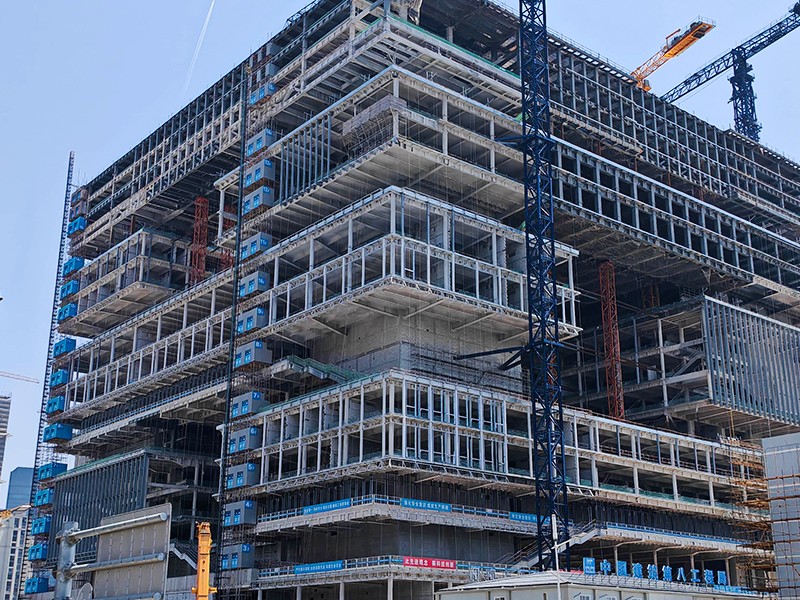
In the modular building world, three families of materials dominate: timber, concrete, and steel. Each has its place, but steel has become the backbone of modern modular construction for several compelling reasons. Its high strength-to-weight ratio allows us to fabricate lighter yet stronger modules that can span longer distances without intermediate supports. This directly translates into larger open floor plans—exactly what today’s warehouses, production halls, and office layouts demand.
Steel also offers unmatched dimensional stability. Unlike wood, which can warp or shrink, or concrete, which requires extended curing, steel components arrive at the site exactly as engineered. This precision is vital for modular construction, where each unit must fit perfectly with its neighbours. Furthermore, steel is non-combustible and resistant to pests, rot, and mould, giving building owners peace of mind for decades.
At our facility, we use advanced robotic welding lines to produce beams, columns, and box sections with tolerances measured in millimetres. This level of accuracy isn’t just a quality boast—it’s what makes true plug-and-play modular assembly possible. When a module shows up on your truck, you can be sure it will bolt into place without field modifications.
Comparing Steel, Wood, and Concrete in Modular Use
To give you a clearer picture, here’s a quick comparison of how these materials behave in modular building construction:
| Criterion | Steel | Wood | Concrete |
|---|---|---|---|
| Strength-to-weight ratio | Excellent | Moderate | Low |
| Prefabrication precision | High (CNC + robotic welding) | Moderate (prone to warping) | Moderate (formwork dependent) |
| Fire resistance | Non-combustible (with intumescent coating if needed) | Combustible (requires treatment) | Non-combustible |
| Construction speed | Fast (bolted connections) | Fast (nail/screw) | Slow (curing time) |
| Span capability | Long spans possible | Limited spans | Short to medium spans |
| Durability (moisture/rot) | Unaffected | Susceptible | Susceptible to freeze-thaw |
From this table, you can see why steel is the go-to for high-performance modular buildings that must serve industrial, commercial, or public functions for decades with minimal maintenance.
Key Material Systems for Complete Modular Buildings
While the structural frame is the skeleton, a modular building needs a whole envelope to be functional. That’s where complementary materials come in—insulated wall panels, roof panels, and interior partitions. In our projects, we often pair a robust steel frame with high-performance sandwich panels that provide both thermal insulation and a finished surface.
Steel Frames: The Core Structure
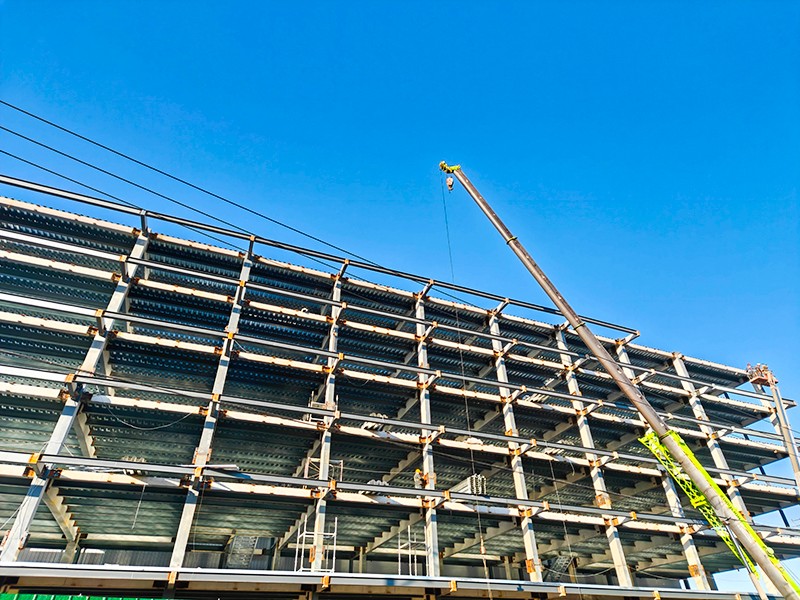
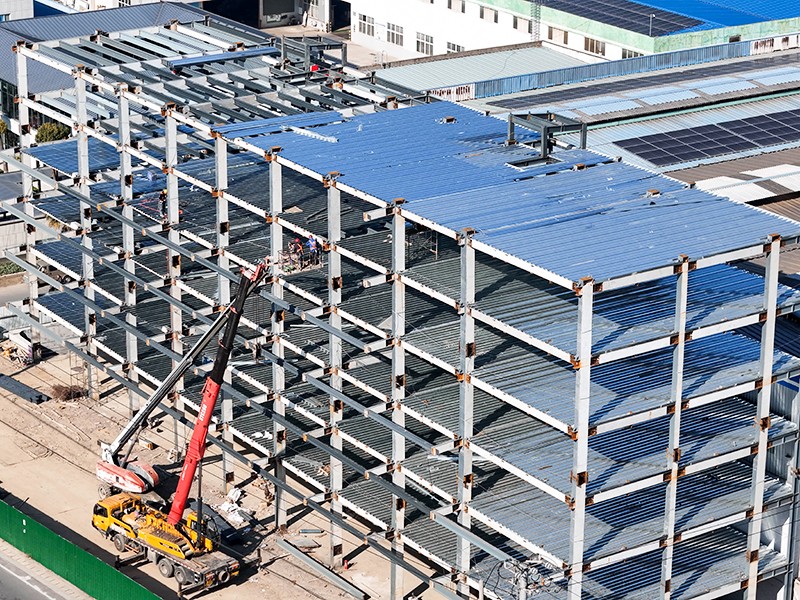
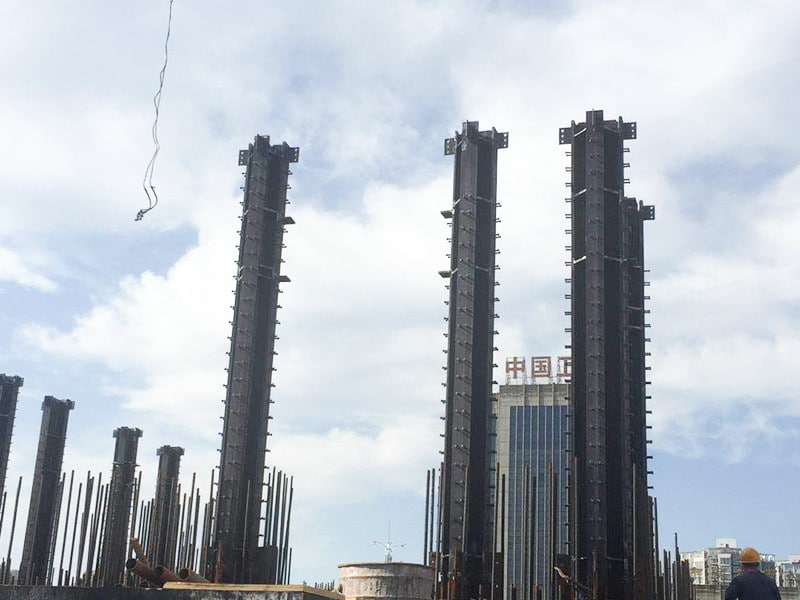
The primary structure in a steel modular building usually consists of hot-rolled H-beams, box columns, and bracing members. These are designed to handle vertical loads from upper modules and lateral loads from wind or seismic events. We fabricate these components in controlled factory conditions, then ship them to site for rapid assembly. If you want to see how this works in practice, take a look at our insulated wall panel system that complements the frame perfectly.
Insulated Panels and Lightweight Partitions
Once the steel skeleton is up, the building envelope is completed with cladding and roofing. One of the most popular choices for modular construction is the sandwich panel—glass wool or polyurethane core with steel facings. These panels offer excellent thermal performance (U-values well below code requirements) and are quick to install. For interior partition walls, we supply 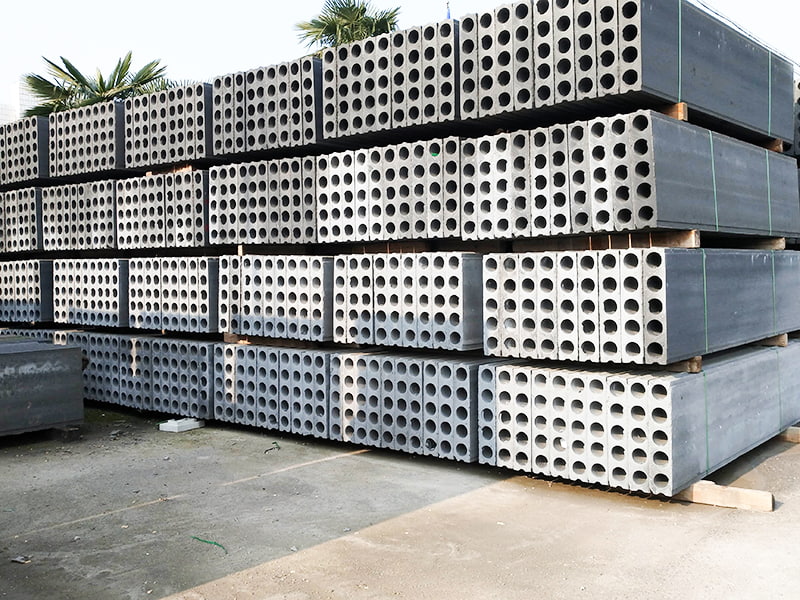 Lightweight ALC Partition Wall Panels for Steel StructuresThese autoclaved aerated concrete panels provide fire resistance, acoustic comfort, and a smooth finish. Lightweight and easy to cut, they are a popular choice for interior partitions in modular buildings.View Product → autoclaved aerated concrete (ALC) panels, combining fire resistance with acoustic comfort. Our ALC panels are lightweight, easy to cut on site, and provide a smooth surface for finishing.
Real-World Applications That Prove Material Choice Matters
Over the years, we have supplied modular steel building systems for a wide range of sectors. Each application highlights why material selection is critical:
- Heavy industrial plants: For a coal mine heavy-duty plant, we designed and fabricated a steel frame that supports massive overhead cranes and vibrating machinery. Steel’s fatigue resistance and ability to carry heavy point loads made it the only viable choice.
- Automotive factories: FAW-Volkswagen and Wuling Motors plants rely on large-span steel structures to accommodate assembly lines without interior columns. Modular steel trusses allowed the entire roof to be factory-built and lifted into place quickly.
- Logistics warehouses: An intelligent vertical warehouse for a global coffee brand required a multi-storey steel rack-supported building. The modular steel frame integrated perfectly with the automated storage and retrieval system, achieving 30% faster construction than a concrete equivalent.
For those involved in similar projects, using steel frames with compatible insulated panels delivers the fastest path to a weathertight, operational facility.
Why You Should Work with an Integrated Steel Supplier
When selecting materials for a modular building, don’t underestimate the value of a partner who understands both the structure and the envelope. Our company has been in the steel fabrication business for nearly thirty years, covering everything from design and detailing to manufacturing, transportation, and on-site erection. We own seven production lines, including six robotic welding lines, and run a dedicated factory for insulated wall panels and ALC boards.
This integration means we can optimise the entire material system—not just the frame but also the cladding, roofing, and partitions—so that all components work together seamlessly. The result? Reduced on-site labour, fewer interface issues, and a building that performs as designed.
If you’re evaluating materials for your next modular project, I invite you to explore one of our completed projects. For example, the 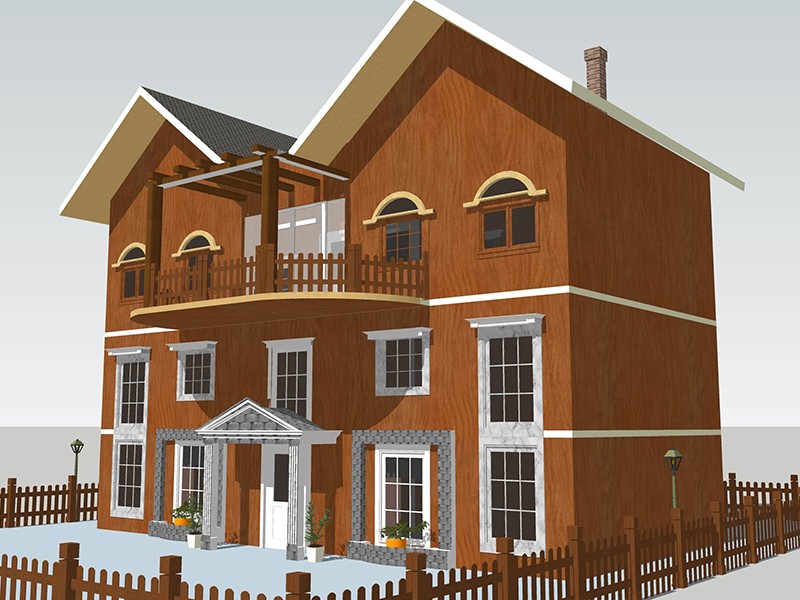 Cost-Effective Modular Steel Structure VillaThis completed project demonstrates how a steel frame with ALC panels and lightweight roof achieves quick erection, energy efficiency, and aesthetic appeal—ideal for residential modular construction.View Product → modular steel villa demonstrates how a steel frame combined with ALC panels and lightweight roof can produce a quick-build solution without sacrificing aesthetics or comfort.
Final Thoughts on Modular Building Construction Materials
In the end, the best material for your modular building depends on your specific requirements: speed, span, fire rating, cost, and local building codes. But across the board, steel continues to prove itself as the most reliable, versatile, and durable option for permanent modular construction. When you pair a high-quality steel frame with properly designed insulated panels and partitions, you get a building that’s fast to erect, energy-efficient, and built to last.
We’d be glad to share our experience with you. Feel free to browse our project case studies or get in touch with our technical team—we speak both engineer and contractor.