
 en
 English
 Español
 中文简体

Content
Are shipping containers fireproof? This is one of the most common questions we hear from people planning container homes, offices, and workshops. The honest answer is no—nothing built by human hands is truly fireproof. But the practical answer is more reassuring: a well-maintained shipping container is extremely fire-resistant, and with the right design choices it can offer a level of protection that many conventional buildings simply cannot match.
What Makes Shipping Containers Fire-Resistant?
Shipping containers are made primarily from Corten steel, a high-strength weathering steel originally developed to survive ocean crossings. Corten steel does not catch fire, and it retains its structural integrity far longer than wood or light-gauge steel framing when exposed to open flames. The melting point of steel is around 1,370°C, while a typical building fire burns between 600°C and 1,000°C. That means the container is likely to remain standing, even if the contents inside are completely destroyed.
Another factor is the enclosed shape of the container. With few openings, the steel walls act as a barrier that limits oxygen flow and slows flame spread. In a fire, this can buy critical time for a safe escape. Firefighters also use containers for training because the steel shell provides a contained environment that can withstand repeated high-heat exposure.
Why “Fireproof” Is Not Quite Accurate
Saying a shipping container is fireproof ignores two important realities. First, the metal itself is not the biggest fuel source—the danger lies inside. Furniture, insulation, wiring, and stored goods can all ignite and produce toxic smoke. In an insulated container, synthetic insulation such as polyurethane foam can burn quickly and release intense heat. If the interior lining is combustible, the fire can easily take hold.
Second, the container’s fire resistance weakens when it is modified. Cutting doors, windows, and ventilation openings creates weak points. Welding and torch cutting during modifications expose bare metal and can singe coatings. The rubber door seals and wooden flooring commonly fitted in containers are combustible and will need to be replaced or protected. Also, the paint and corrosion coatings on the steel may not be rated for high temperatures, and they can release fumes when heated.
Fire Risks That Appear During Container Conversions
Most container fires start after conversion, not during the original use. Common sources include faulty electrical wiring, overloaded power outlets, cooking equipment, and careless welding sparks. If you are turning a container into a living space or workshop, you need to approach fire safety with the same care you would apply to any permanent structure.
Pay particular attention to:
- Electrical installations: always use certified electricians and ensure circuits are correctly rated.
- Heat-generating appliances: stoves, heaters, and dryers need proper clearances from combustible materials.
- Cutting and welding work: sparks can easily ignite accumulated dust or packaging debris inside a container.
- Service openings: cable and pipe penetrations can let flames and smoke travel between compartments.
How to Make a Container Structure Safer
Once you understand that the fire risk is mainly from what you put inside and how you modify the shell, the solution becomes clear. You need to protect the interior with non-combustible linings, choose fire-resistant insulation, and provide a safe way out.
Use Non-Combustible Wall Linings and Insulation
For interior partitions and wall linings, ALC (autoclaved lightweight concrete) panels are an excellent choice. They are made from cement, lime, silica, and aluminum paste, and they do not burn or emit smoke. This makes them ideal for creating fire-safe rooms inside a container home. In our steel construction projects, ALC panels have proven their value as partition walls and fire-rated separations.
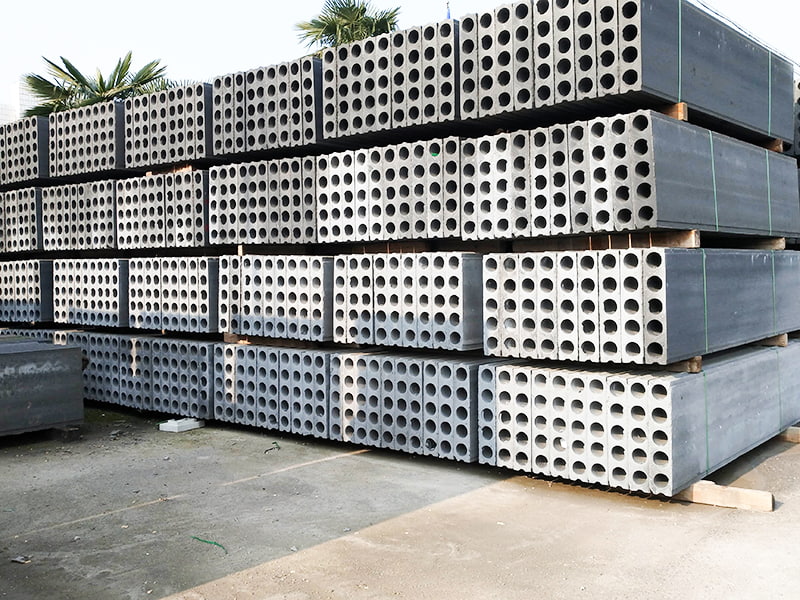 ALC Panels for Fire-Safe Partitions and Wall LiningsALC panels are non-combustible and smoke-free, ideal for interior walls and fire-rated partitions in container homes and steel structures.View Product →
For thermal insulation, glass-wool sandwich panels offer a good balance between heat control and fire safety. Glass wool is a non-combustible material, and the sandwich panel construction provides structural rigidity while keeping the interior comfortable. This is especially relevant if you are using the container in a hot or cold climate.
 Glass Wool Sandwich Panels for Thermal Insulation and Fire SafetyThese panels balance heat control and fire safety with non-combustible glass wool, providing structural rigidity and comfort in extreme climates.View Product →
| Material | Fire Behavior | Common Application |
|---|---|---|
| Corten steel | Non-combustible, loses strength at extreme heat | Container shell |
| ALC panels | Non-combustible, no toxic smoke | Partition walls, linings |
| Glass wool insulation | Non-combustible, high melting point | Thermal insulation |
| Polyurethane foam | Combustible, releases dense smoke | Insulation, needs protection |
| Wood flooring | Combustible | Original container floor |
Add Fire Protection to the Steel Shell
Although the Corten steel itself is not combustible, prolonged fire exposure can eventually weaken it. Intumescent coatings, also known as fire-retardant paints, can be applied to the steel surface. These coatings expand when heated, creating an insulating char layer that delays the temperature rise of the underlying steel. This can give occupants more time to evacuate and reduce the risk of structural collapse.
Install Smoke and Fire Alarms
Given the compact dimensions of a container, smoke can spread quickly. A simple smoke alarm is one of the cheapest and most effective safety measures. Have a fire extinguisher at the entrance and, for larger container setups, consider a small sprinkler system connected to a water supply.
What We Have Learned From Decades of Steel Fabrication
As a steel structure manufacturer with nearly thirty years of experience, we have seen what fire does to different types of construction. One lesson stands out: steel performs exceptionally well in fires when it is properly designed and protected. Our team has worked on heavy industrial plants, port machinery, warehouses, and even large steel bridges. In every case, fire resistance was a key part of the structural engineering process.
For example, the temperature at which structural steel loses its load-bearing capacity is well documented. Designers use that data to decide how much fire protection is necessary. This knowledge applies just as much to a steel-based structure that starts as a shipping container as it does to a multi-story factory. If you are planning a serious container build, you can look at our past projects to see how steel elements are combined with cladding systems to meet safety requirements. See our project portfolio for examples.
We also know that attention to detail during manufacturing and installation makes the difference between a structure that merely stands and one that stays safe. In our own factories, we control weld quality and coating application closely. Any steel building, whether a shipping container conversion or a multi-story office, needs that same level of discipline.
Final Thoughts
So, are shipping containers fireproof? Strictly speaking, no. But a well-cared-for container has a steel shell that is highly resistant to fire, and most of the fire risk comes from the materials and modifications you bring into it. By using non-combustible insulation, protecting the steel, installing alarms, and keeping escape routes clear, you can make a container structure genuinely safe.
If you are planning a container home or working on any steel-framed project, remember that fire safety is not an optional extra. It is part of good engineering. The same principles apply whether you are building a small container office or a large industrial steel facility. With the right materials and careful design, steel structures can offer dependable fire resistance for decades.