

 en
en
 English
  Español
  中文简体
中文简体

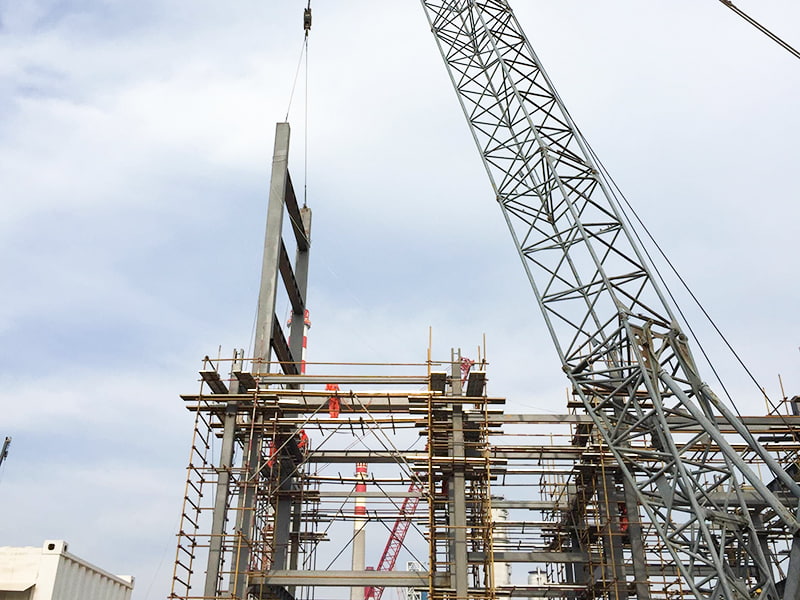

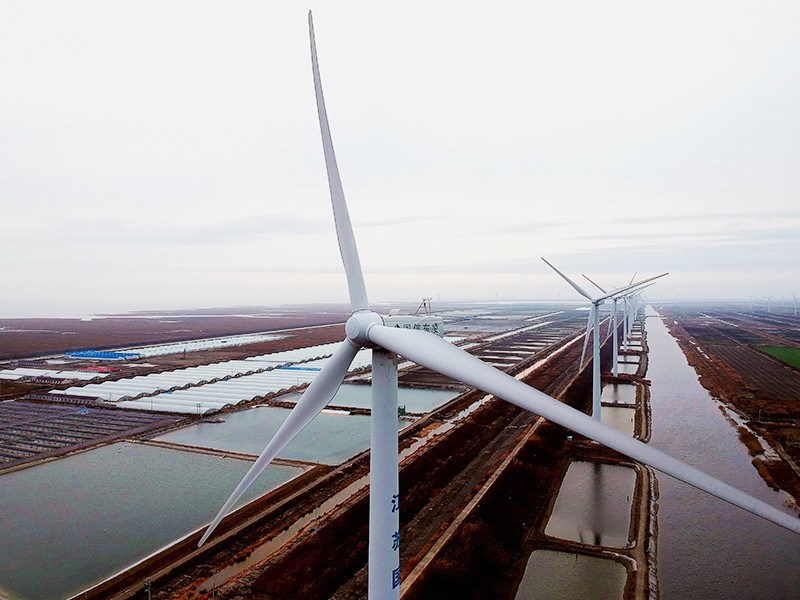
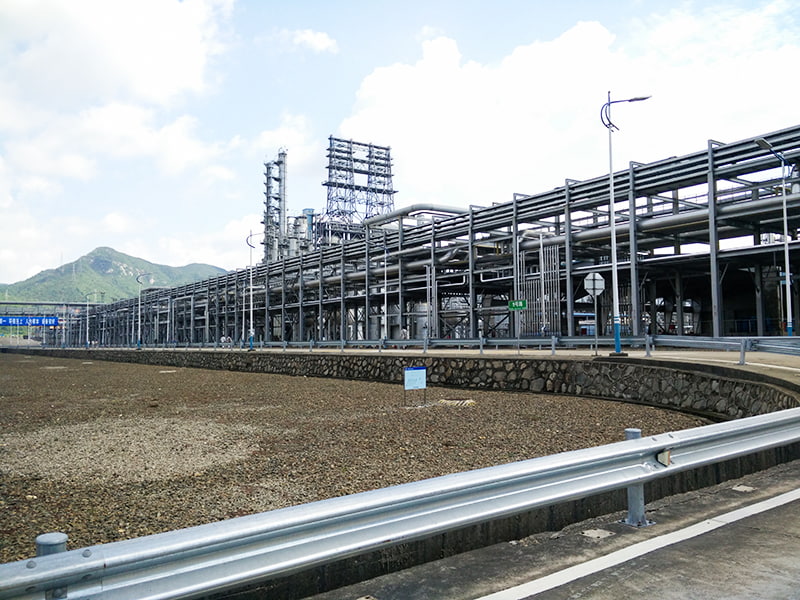
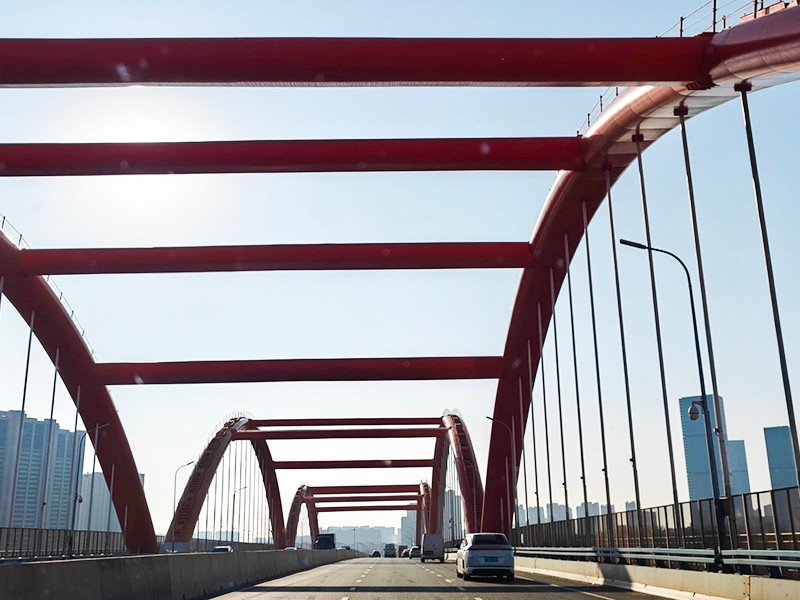


Addressing Modern Large-Scale Engineering Challenges: Manufacturing and Application Standards for High-Strength Steel Structures
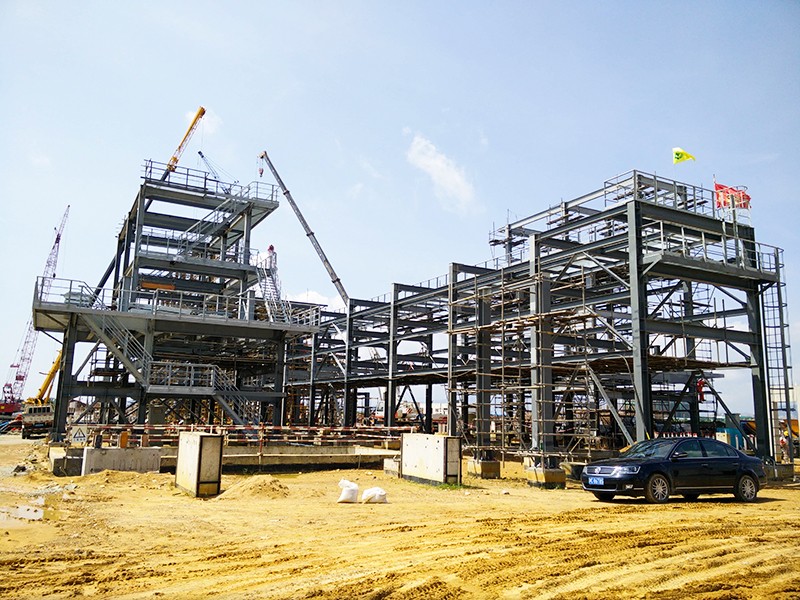
In the construction of heavy industrial plants, super high-rise commercial complexes, and large-scale infrastructure, the stability, load-bearing limit, and manufacturing precision of the structural framework directly determine the final quality and life cycle of the project. Facing severe engineering challenges such as large spans, high loads, and extreme climate environments, the traditional on-site processing mode can no longer meet the core demands of modern international engineering for component dimensional accuracy, yield strength, and delivery time. Excellent factory-level CNC processing technology, strict raw material access standards, and perfect systematic integration capabilities have become the key cornerstone for the successful implementation of transnational projects.
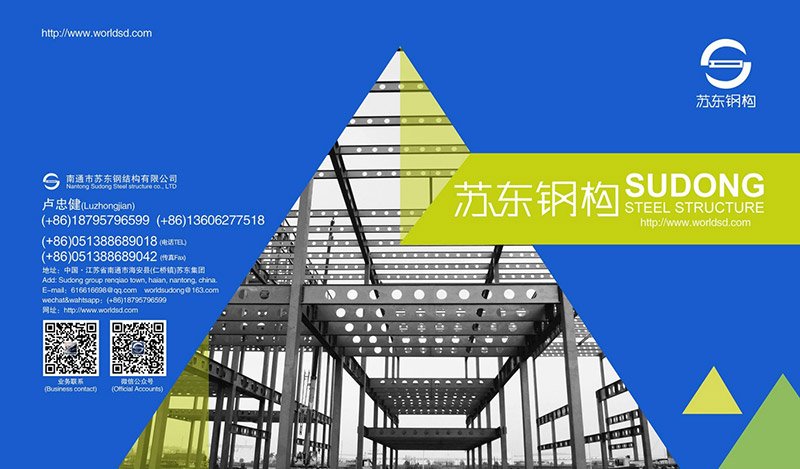
In this field, Nantong Sudong Steel Structure Co., Ltd., since officially delving into the steel structure industry in 1996, has developed into a comprehensive heavy steel structure service provider integrating R&D, design, manufacturing, construction, and international trade. Relying on nearly thirty years of deep industry experience and professional manufacturing qualifications, and backed by a systematic industrial production system, the company provides solid structural guarantees for complex projects under different climate zones and geological conditions worldwide, ensuring that every node precisely matches the strictest engineering design specifications.
Analyzing the Systematic Manufacturing Advantages and ROI of a Prefabricated Steel Building
Modern large-scale projects are increasingly inclined to adopt highly prefabricated building systems. The core advantage of a Prefabricated Steel Building system lies in transferring a large amount of complex work, which originally needed to be completed at the construction site, to a modern factory equipped with constant temperature, constant humidity, and high-precision equipment. Through BIM (Building Information Modeling) detailing design, high-precision equipment such as CNC cutting machines and 3D CNC drilling machines can ensure that the opening, chamfering, and external dimensions of each component reach millimeter-level accuracy, thereby achieving "zero-error" assembly on site and drastically reducing on-site labor and machinery costs caused by rework.
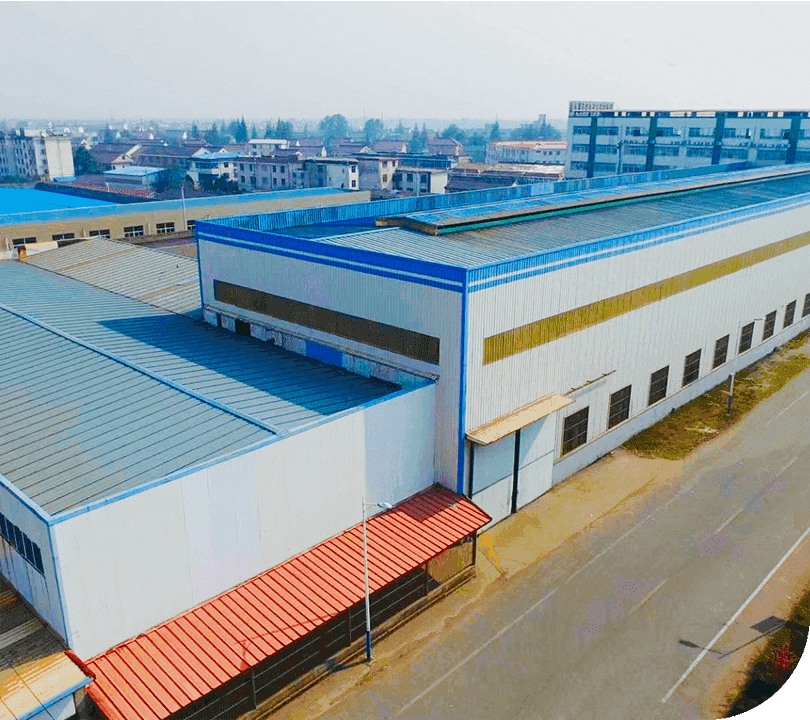
Capacity scale and the hardware level of the manufacturing base are the prerequisites to guarantee the on-time delivery of large projects. Nantong Sudong Steel Structure Co., Ltd. currently operates a domestic production base covering 50,000 square meters, encompassing an independent steel structure manufacturing plant, an exterior wall panel company, and a bridge processing base. This clustered hardware configuration equips it with an annual production capacity of 40,000 to 50,000 tons.
From the perspective of Total Cost of Ownership (TCO), systematic prefabrication is not only reflected in the control of construction costs. The following is a core parameter comparison between the prefabricated steel structure system and traditional on-site extensive processing:
| Evaluation Dimension | Prefabricated Steel Building System | Traditional Building Structure / On-site Welding | Comprehensive ROI Impact |
|---|---|---|---|
| Component Precision | Error ≤ 1-2mm (Factory CNC machining) | Error usually > 5mm (Affected by on-site environment) | On-site assembly speed increased by over 40%, reducing modification costs |
| Construction Period | Full bolt / modular assembly, less affected by weather | Requires extensive on-site wet work and welding, lengthy schedule | Shortens schedule by 30%-50%, faster project capital return |
| Seismic / Wind Load Resistance | Customizable high-intensity seismic and super wind load nodes | Nodes affected by on-site construction quality, poor consistency | Reduces later structural maintenance costs and insurance rates |
| Material Utilization Rate | Factory nesting and layout, loss rate < 3% | High on-site cutting loss, usually 8%-10% | Directly reduces total raw material procurement expenses |
Relying on this prefabricated system, regardless of the wind load, snow load, or seismic intensity requirements the project faces, the factory can provide highly customized solutions.
The Perfect Combination of Load-Bearing Capacity and Flexibility: Core Craftsmanship of Steel Column And Beam
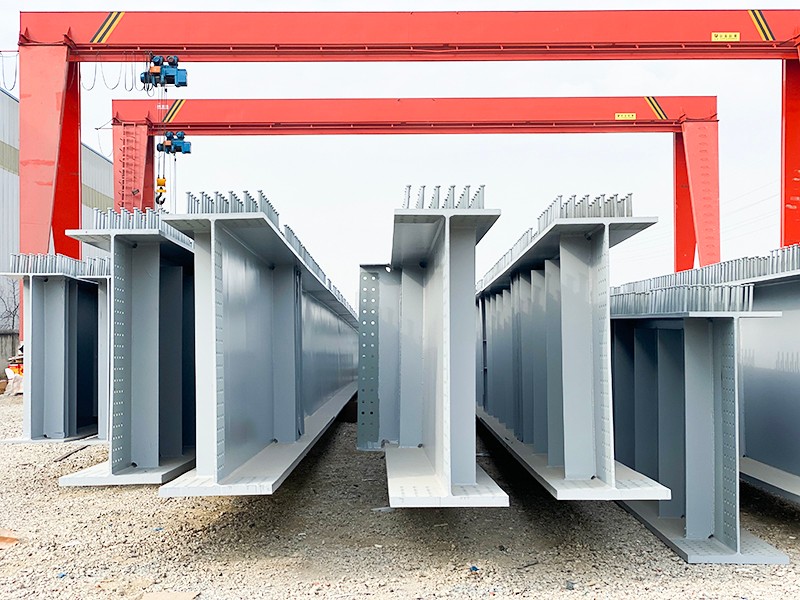
As the main support of any building skeleton, the material physical properties and welding forming process of the Steel Column And Beam are the top priorities in engineering quality audits. Conventional components may seem simple, but in large-span industrial plants with high-tonnage cranes, their manufacturing process involves extremely strict parameter control.
High-strength engineering starts with pure and compliant raw materials. The factory strictly implements international standards for steel access. Commonly used materials include high-strength structural steels such as Q355B/Q355C/Q460, as well as ASTM A992/A572 grades that comply with American standards. All warehoused raw materials must have traceable Material Test Certificates (MTC) and undergo re-inspection.
In the forming and welding stages, the intervention of intelligent equipment has fundamentally changed the stability of weld quality. Nantong Sudong Steel Structure Co., Ltd. is equipped with 7 heavy-duty production lines, including 6 intelligent robotic welding lines and dedicated Box Girder production lines. In the processing of Tapered Beams and heavy-duty H-shaped steel columns, the Submerged Arc Welding (SAW) process, combined with robotic welding, can precisely control the welding heat input to ensure the effective penetration depth of the weld.
For harsh environments (such as high salt spray marine environments or highly corrosive chemical zones), surface anti-corrosion treatment is the decisive process for extending the lifespan of components.
Standard Anti-Corrosion Coating Parameter Specifications:
Surface Treatment Grade: Strictly executes the Sa2.5 grade shot blasting rust removal of the ISO 8501-1 standard to completely remove mill scale and rust, with the roughness controlled at 40-75μm to ensure excellent adhesion of the primer.
Primer System: Epoxy zinc-rich primer (Dry Film Thickness DFT 60-80μm), providing cathodic protection.
Intermediate and Finish Coats: Epoxy micaceous iron oxide intermediate coat paired with polyurethane finish coat. The total film thickness is usually customized according to the project's anti-corrosion grade (e.g., C3, C4, C5-M), reaching 200-320μm or more.
Breaking Extreme Load Limits: Technological Breakthroughs and Production Control of the Cross Shaped Steel Column
In super high-rise buildings (such as the perimeter of skyscraper core tubes), heavy equipment load-bearing platforms, and critical structures in strong earthquake zones, uniaxial or biaxial load-bearing H-shaped steels often fail to meet complex stress requirements. At this time, the Cross Shaped Steel Column, with its outstanding physical properties of equal strength in both X and Y axes, and extremely high compressive and torsional resistance, becomes the inevitable choice for breaking extreme load limits.
The cross-shaped steel column is not a simple assembly of structural steel; its manufacturing involves structurally complex cross nodes of webs and flanges. The core processing difficulty lies in the full penetration groove welding at the cross intersection. Thick plates are highly susceptible to welding residual stress and Lamellar Tearing during intensive welding. To overcome this difficulty, the factory uses Z-direction steel (lamellar tearing resistant steel), preheats before welding, strictly controls the interpass temperature during welding, and performs post-weld insulation and slow cooling.
Non-Destructive Testing (NDT) is the only means to ensure zero internal defects in super-heavy components. For the core stressed welds of the cross column, 100% Ultrasonic Testing (UT) or Radiographic Testing (RT) must be executed to ensure there are no pores, slag inclusions, or incomplete fusion defects inside, and the assessment level must meet the Level I or Level II requirements of international standards.
At the same time, cross-shaped steel columns, with single unit weights easily reaching tens or even hundreds of tons, pose extremely high requirements on the factory's hardware turnover capability. Relying on the 100-ton overhead crane lifting capacity and spacious heavy-duty assembly lines of the large-scale production base, even complex single components that are excessively long and heavy can achieve efficient transfer and splicing.
Empowering Global Project Contractors: Full-Chain Supply Chain Guarantee from Drawing to Site
The successful delivery of large-scale international projects depends not only on high-quality components but also tests the supplier's quality compliance, logistics scheduling, and full-chain project management capabilities. Qualification barriers are often the first hurdle in the operation of overseas projects.
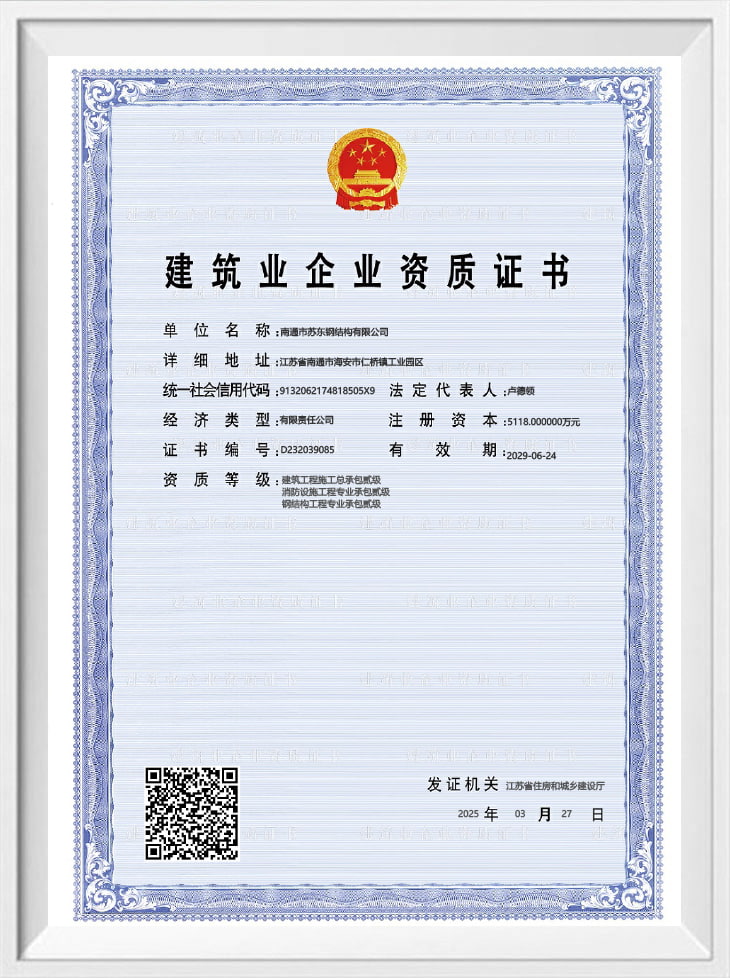
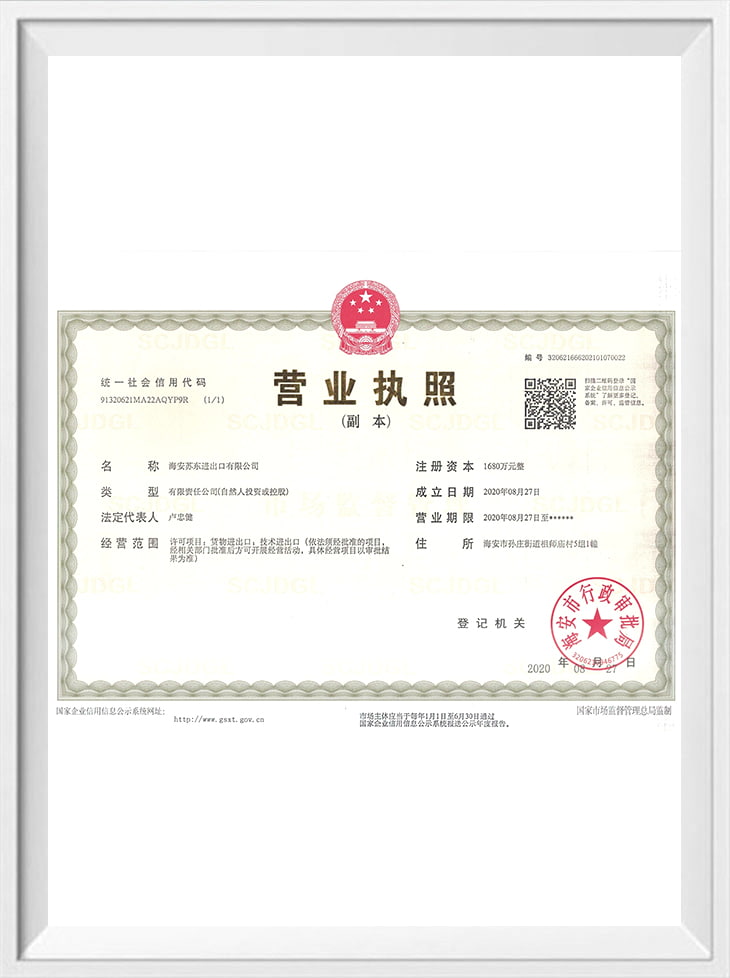
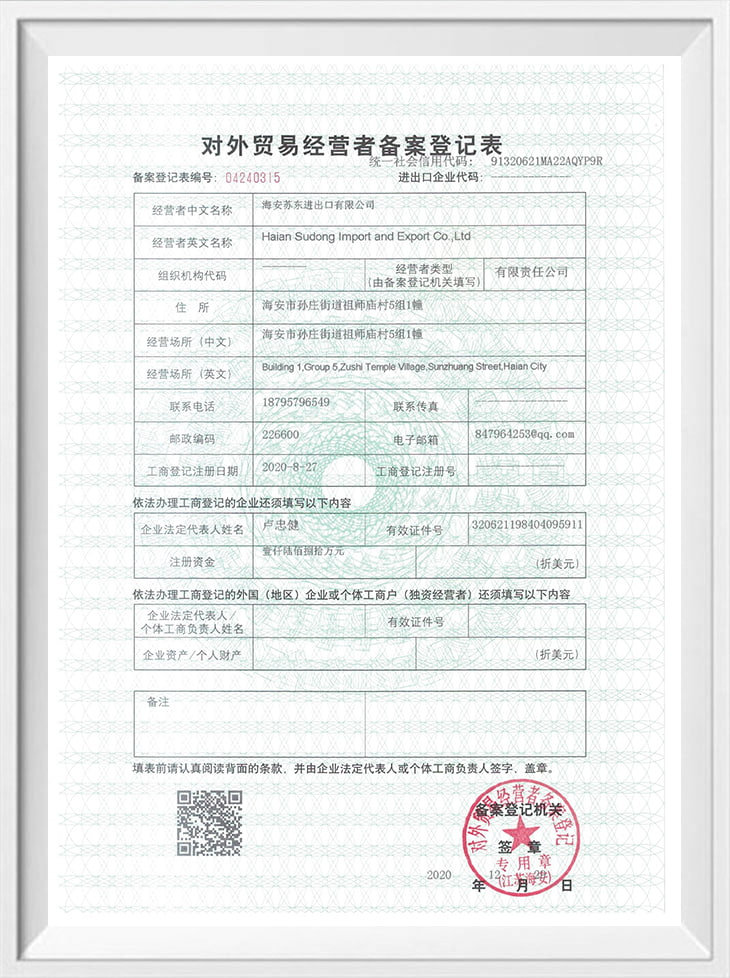
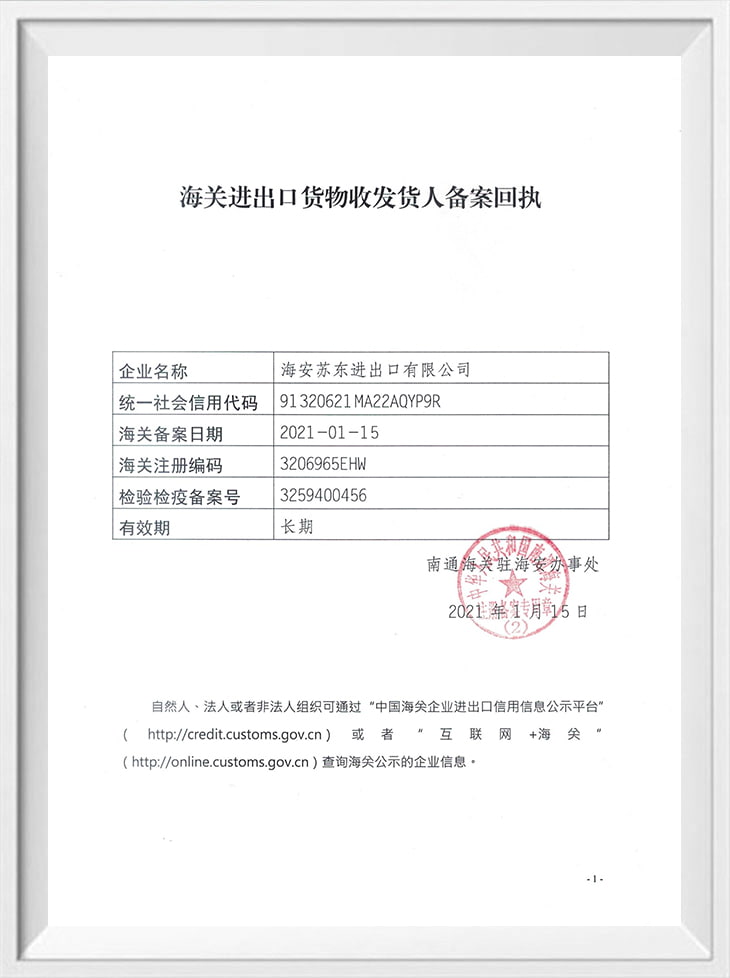
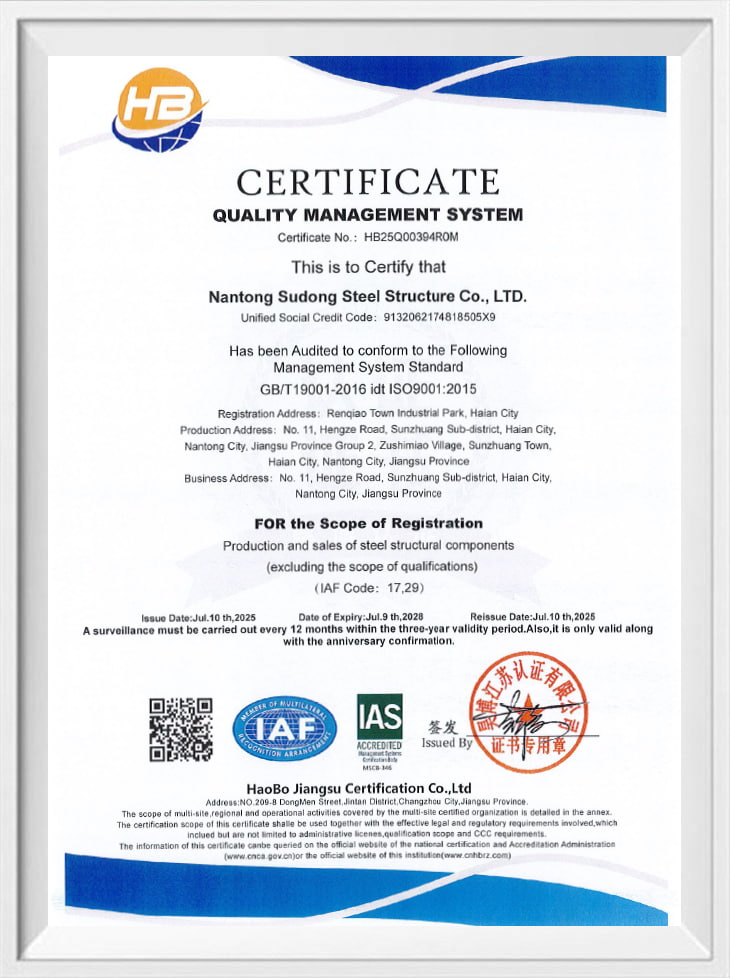
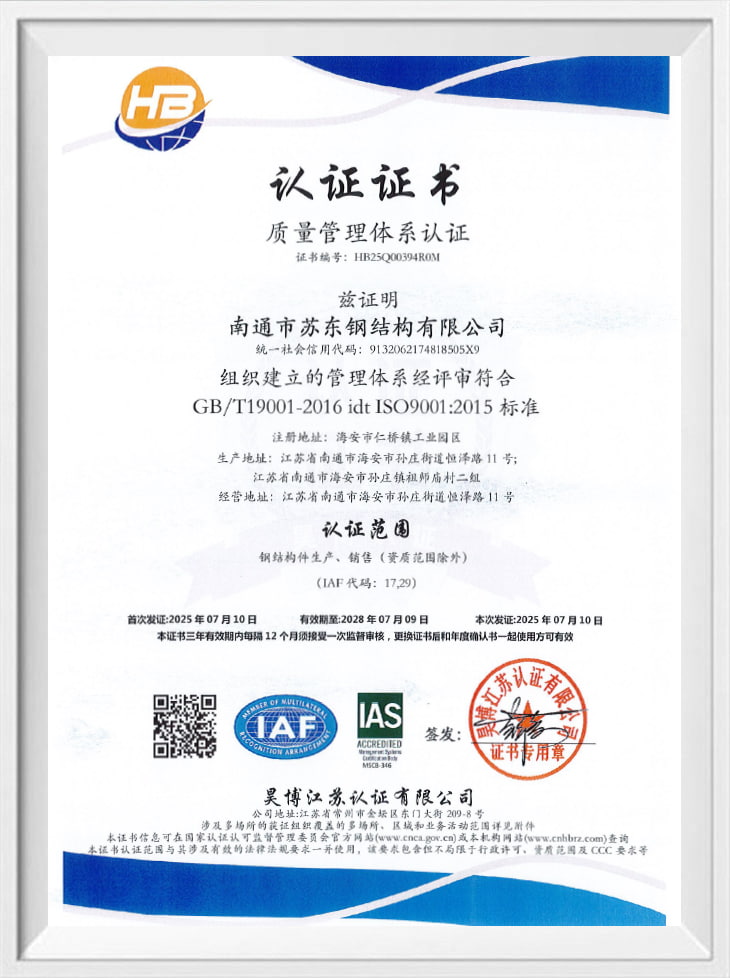
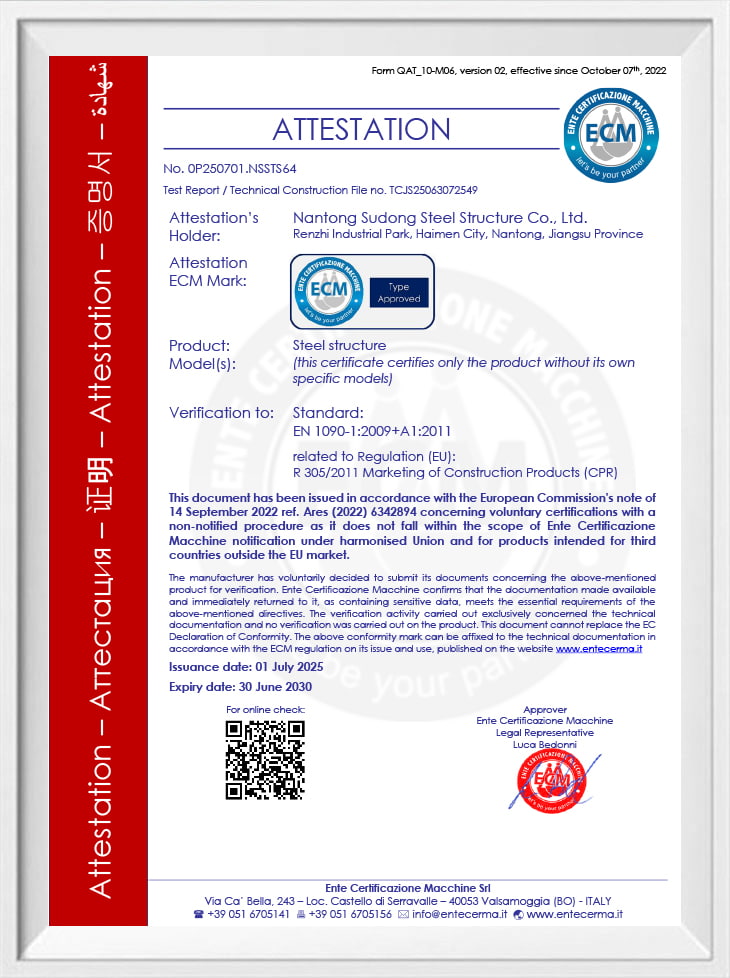
Nantong Sudong Steel Structure Co., Ltd. has obtained multiple high-value international qualification certifications, including ISO 9001 (covering IAF, IAS), European CE EN1090 certification (allowing components barrier-free access to the European market), and Russia's GOST certification. These authoritative endorsements systematically eliminate the quality compliance risks during the implementation of transnational engineering.
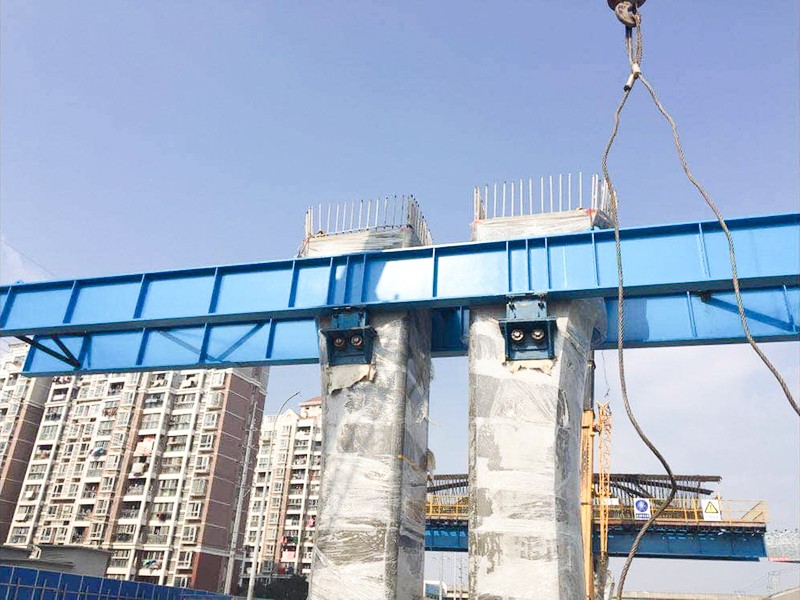
Based on profound project execution heritage, the company has successfully served numerous Fortune 500 clients and landmark projects, such as CNOOC, FAW-Volkswagen, Hengli Petrochemical, China State Construction, CCCC, Nike, and Shanghai Pudong International Airport. From industrial plants and large-span bridges to large stadiums, its solutions cover many complex fields.
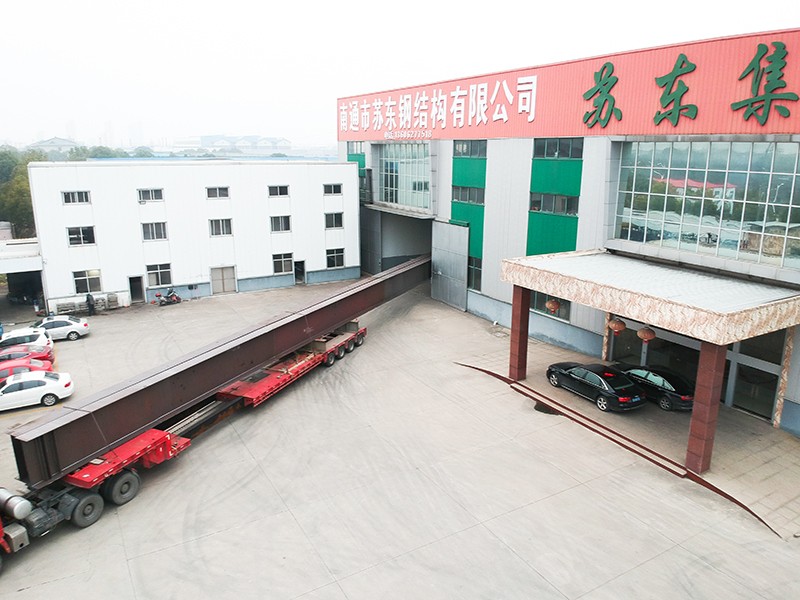
Facing transnational logistics on a global scale, especially the transportation of over-limit components such as ultra-long beams and ultra-wide cross columns, the factory is equipped with mature special packaging and loading solutions. By customizing anti-deformation steel frames to strap and secure the components, and proficiently using Open Top (OT) containers, Flat Rack (FR) containers, or bulk carriers for loading and maritime reinforcement, it ensures that every precisely processed component arrives at the global construction site completely intact after a long journey. Guided by the principles of "integrity first, quality foremost" and "hassle-free customer experience", the factory continues to steadily expand in the global market through professional solutions and efficient delivery.
Frequently Asked Questions on Large-Scale Steel Structure Technology and Applications (FAQ)
Q1: What is the design lifespan of a complete Prefabricated Steel Building system? How about the daily maintenance costs?
The design lifespan of the main framework for a standardly designed prefabricated steel structure system can usually reach 50 to 100 years, depending on the environmental corrosion level of the project location and the initially selected anti-corrosion coating system. In conventional industrial or commercial environments, its daily maintenance costs are extremely low. Thanks to highly consistent factory coating quality, projects typically do not require topcoat refinishing within the first 10-15 years of use, and the full lifecycle maintenance expenditure is much lower than that of traditional concrete or brick-concrete structures.
Q2: What stages of strict testing do the Steel Column And Beam undergo before leaving the factory? Do you support third-party factory inspections?
All beam and column components must pass three stages of mandatory inspection before shipment: first, full-size inspection and pre-assembly testing to ensure flawless flange plate hole positions and total lengths; second, 100% visual inspection of welds and Non-Destructive Testing (UT/MT/PT) of core stressed welds; finally, film thickness testing (using a dry film thickness gauge) and adhesion testing during the coating stage. The factory's quality system is completely open, supporting and welcoming internationally renowned third-party inspection agencies such as SGS, BV, and TÜV to conduct full or sampling inspections during raw material entry, mid-processing, and before finished product shipment.
Q3: Due to complex nodes, how much slower is the delivery time of a Cross Shaped Steel Column compared to a standard H-beam? How does the factory optimize the production schedule?
Since cross-shaped steel columns involve multiple full-penetration deep groove welds and require strict preheating, welding, and inspection processes, the processing time per ton is indeed about 30%-50% longer than that of standard H-beams. However, in scheduling such highly difficult components, the factory greatly compresses the manufacturing cycle by investing in multiple intelligent robotic welding machines, designing dedicated rollover welding fixtures for cross columns, and adopting a two-shift continuous operation mechanism in the workshop. In the early stages of a project, the schedule plan is finely dismantled to ensure the most complex components are scheduled first, thereby guaranteeing that the overall shipment progress of the entire project will never be delayed.
Q4: If hot welding work is not allowed at our project site due to environmental or safety regulations, can the prefabricated components achieve full bolted connection?
Absolutely. This is also one of the core design philosophies of the prefabricated system. The factory technical team will convert all on-site connection nodes into high-strength bolted connection nodes (friction-type nodes) through detailing design. This means that all connection gusset plates, corbels, and stiffening ribs are completed with high-standard factory welding indoors, and the friction surfaces of the nodes undergo specialized anti-slip coefficient treatment (such as sandblasting). Once the components arrive at the site, the construction team only needs to use torque wrenches for 100% mechanical bolt assembly, which not only completely avoids the safety hazards caused by on-site hot work but also increases installation efficiency manifold.